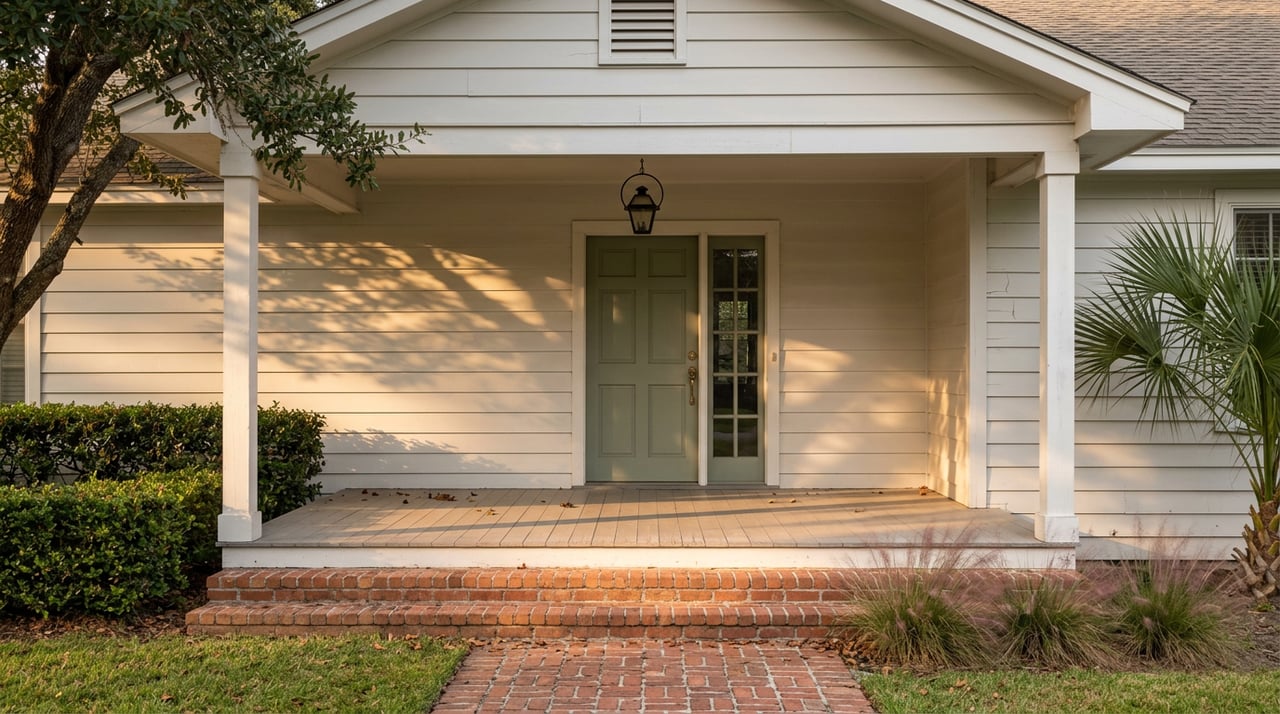
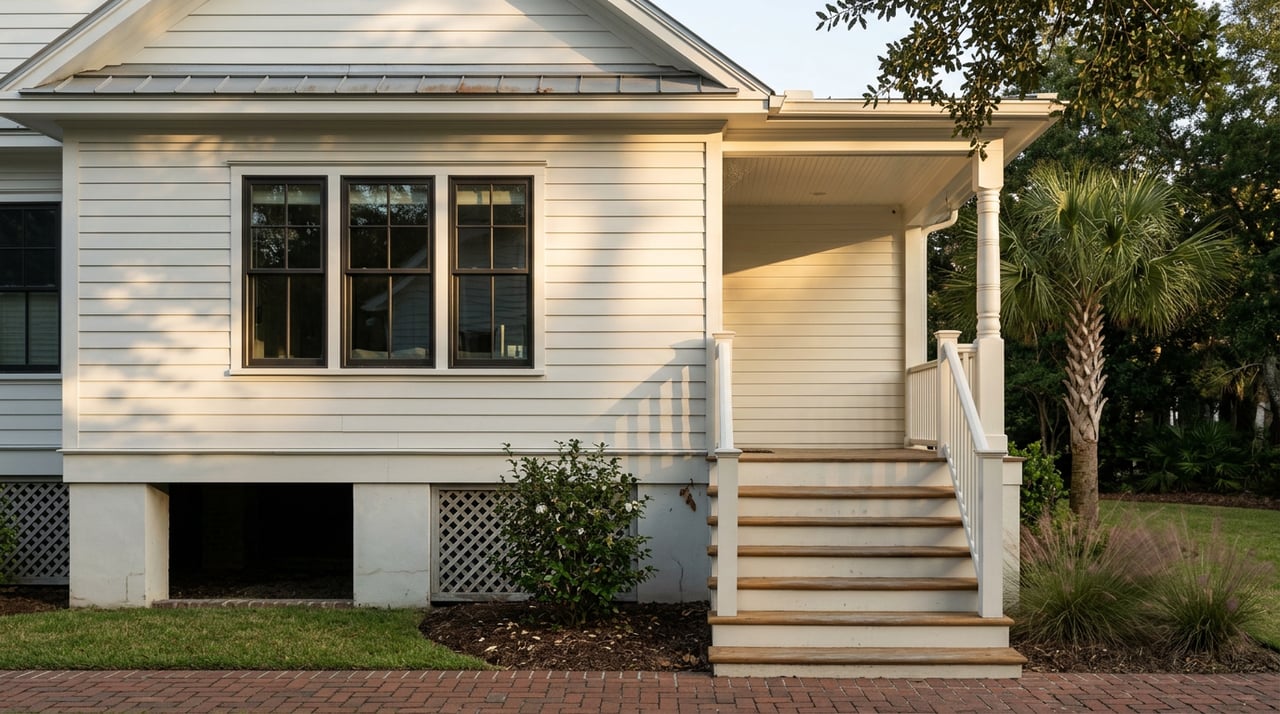
What is really driving home prices and activity in Gulfport right now? If you’re weighing a first purchase or considering a move-up sale, you want clear signals, not headlines. You also want the coastal context that makes our market different from inland Mississippi. In this guide, you’ll learn which numbers matter, how seasonality and insurance shape demand, and practical steps to position your next move. Let’s dive in.
What to watch in Gulfport’s market
Understanding the local market starts with a few key indicators. You do not need dozens of stats, just the ones that show balance between buyers and sellers.
- Months of supply: Under 3 months often favors sellers, 3 to 6 is balanced, and over 6 leans to buyers.
- Days on market: Rising days on market can signal cooling demand and more negotiating room.
- List-to-sale price ratio: Above 100 percent points to multiple-offer pressure; below 100 percent shows buyers have leverage.
- Active and new listings: More new listings can ease competition. Watch how many homes enter the market each month.
- Price reductions: An increasing share of price cuts suggests sellers are adjusting to demand.
- Cash and investor share: More cash buyers can affect negotiation timelines and appraisal risk.
- Mortgage rates: Higher rates reduce affordability for many buyers and can slow demand.
You can check mortgage-rate trends through the Freddie Mac Primary Mortgage Market Survey for a weekly baseline on the 30-year fixed rate. This tells you whether affordability is tightening or easing.
Coastal factors that move prices
Gulfport is a coastal city with unique risks and costs that influence both demand and pricing. These factors often explain why two similar homes can have very different monthly expenses.
- Flood zones and elevation: Homes in Special Flood Hazard Areas usually require flood insurance for financed purchases. Use FEMA’s Flood Map Service Center to understand a property’s zone and elevation.
- Windstorm and hurricane coverage: In coastal areas, wind coverage may be separate from a standard policy. Availability and pricing can vary by carrier and location.
- Building codes and mitigation: Post-storm construction standards and elevation requirements raise replacement costs but can improve insurability.
- Sea-level and storm concerns: Long-term resiliency and elevation can shape buyer preferences, especially near the shoreline.
Takeaway: Always evaluate total monthly housing cost, including flood and wind insurance. Two homes with similar list prices can have very different carrying costs due to insurance.
Inventory and pricing patterns by area
Neighborhood context matters on the Coast. Here is how inventory and pricing behavior often differ across Gulfport.
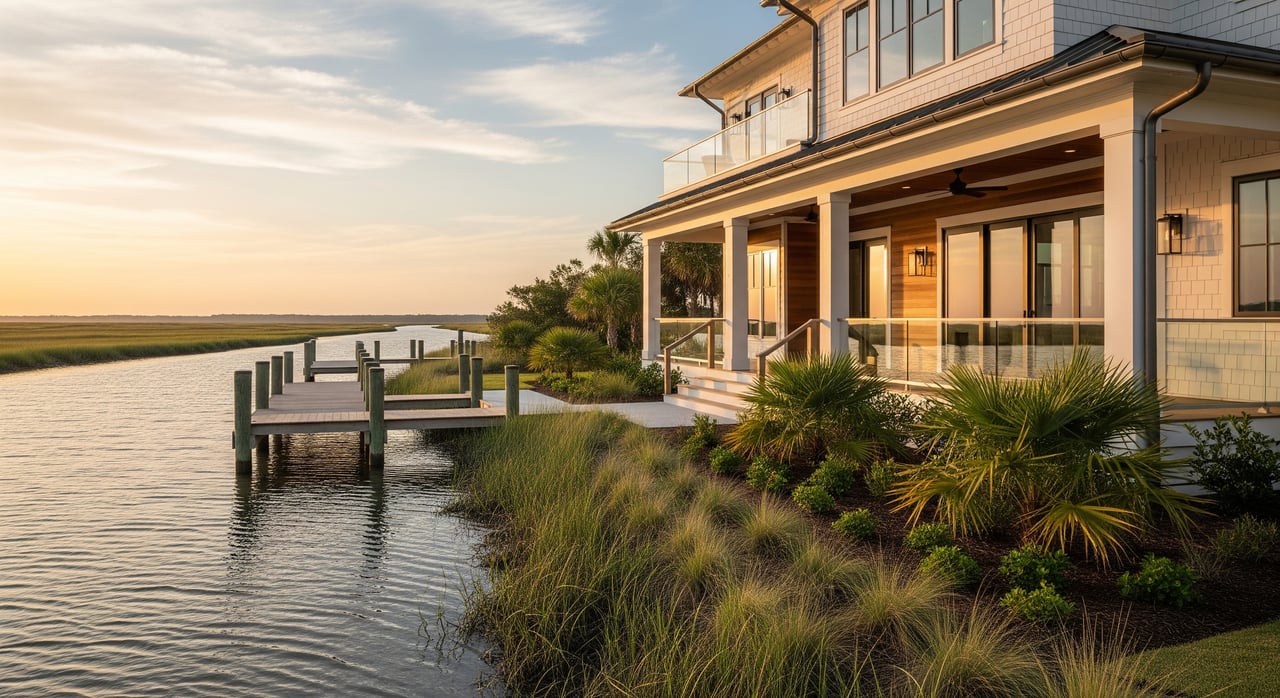
Beachfront and nearshore
Homes close to the beach can command premium pricing and attract second-home buyers. In active seasons, these listings can see strong weekend traffic. When demand cools, higher-priced properties may stay on the market longer and see more price adjustments.
Historic and downtown Gulfport
Older housing stock offers renovation potential and varied elevation. Days on market can swing based on condition, flood zone, and parking. Buyers may prioritize updated systems and mitigation features, so pre-list improvements and clear disclosures help sellers stand out.
Inland subdivisions
Farther from the shoreline, you may see more predictable insurance costs and family-oriented layouts. Entry-level inventory can remain competitive even when overall listings rise. Well-presented homes with move-in readiness often draw faster offers.
Seasonality and timing your move
Coastal seasonality can affect both traffic and negotiation.
- Spring: March through May often brings more new listings and active buyers, which can benefit sellers seeking multiple tours in a short window.
- Summer: June through August adds vacation-home interest, yet hurricane season starts on June 1. Some buyers become more cautious about risk and insurance.
- Late summer to early fall: Activity can slow during the peak storm window from August through October as insurers and lenders watch weather events.
- Winter: Fewer new listings can mean less competition for sellers willing to list, while serious buyers may find more room to negotiate.
If you are listing, aim to hit your audience ahead of peak season with strong presentation. If you are buying, consider off-peak months when you may face fewer competing offers.
Negotiation signals and pricing strategy
Reading a few trends can help you decide how bold to be.
- List-to-sale ratio: A consistent dip below 98 to 99 percent can signal more negotiating room for buyers.
- Days on market: A rising median often suggests that patient buyers can negotiate on price or repairs.
- Price cuts: A jump in reductions typically means the market is absorbing new inventory at lower price points.
Tips for sellers:
- Price in line with recent closed sales and current days on market. Slightly under comparable homes can spur activity when inventory is tight.
- Offer clarity on insurance and mitigation. Share elevation certificates, flood history, and any updates.
Tips for buyers:
- Keep insurance contingencies in place until you confirm coverage and premiums.
- Ask about recent maintenance, mitigation steps, and any open permits.
Insurance and financing basics on the Coast
Before you fall in love with a property, confirm insurability and monthly costs.
- Flood zones: Check the FEMA Flood Map Service Center to see if the home is in a Special Flood Hazard Area. If so, lenders typically require a flood policy.
- Wind/hurricane coverage: In coastal zones, wind may be covered by a separate policy. The Mississippi Department of Insurance offers consumer guidance on wind and hurricane coverage options and regulatory updates.
- Closings and storms: During or after major storms, underwriting and appraisals can slow. Build in time and maintain communication with your lender and insurer.
Smart steps:
- Order a survey or elevation certificate early.
- Request insurance quotes before removing contingencies.
- Keep your lender looped in on any insurance changes.
Affordability check-in
Mortgage rates and insurance are the two biggest drivers of monthly cost beyond price. Track weekly rate movement using the Freddie Mac survey, then estimate your payment with your lender using the current rate, your down payment, and realistic insurance quotes for the address. If rates rise, consider adjusting either your target price or down payment to keep the monthly number comfortable.
How Gulfport’s economy shapes demand
Local jobs and lifestyle draw buyers to the Coast. Healthcare, maritime and port activity, tourism, and services all support housing demand. Relative affordability compared with many U.S. markets also attracts first-time buyers and some retirees. Tourism can lift interest in nearshore properties, while stable employment supports year-round owner-occupant demand.
How Glenn-Marie helps you move smart
Presentation and preparation are everything in a coastal market. With a design-informed approach, staging, and renovation know-how, you can capture attention quickly and reduce time on market. Professional photography, clear disclosures, and strong online distribution ensure your home shines where buyers are searching. If you are purchasing, neighborhood-level guidance and insurance-aware negotiations help you avoid surprises.
Ready to plan your move on the Mississippi Gulf Coast? Connect with Glenn-Marie Fitzgerald for a clear strategy and a market-by-market game plan.
FAQs
Is Gulfport currently a buyer’s or seller’s market?
- It depends on months of supply, days on market, and list-to-sale ratio in your price range, so check these indicators before you set expectations.
How long do homes in Gulfport usually take to sell?
- Median days on market changes with seasonality and price tier, and it typically rises when inventory increases or mortgage rates climb.
How do Gulfport flood zones affect my mortgage and insurance?
- Homes in Special Flood Hazard Areas often require a flood policy for financed purchases, and lenders also expect adequate wind coverage in coastal zones.
What is the best time to list a Gulfport coastal property?
- Spring often brings more buyers and tours, while late summer to early fall can slow due to hurricane season and insurance timing.
Are beachfront homes in Gulfport a good investment?
- They can see premium demand and rental potential but also higher insurance and maintenance costs, so factor total monthly expenses into your plan.
Do appraisals or insurance issues delay closings in Gulfport?
- They can, especially after major storms, so verify insurability early and allow extra time for underwriting and appraisals.
Which Gulfport areas show different pricing patterns?
- Nearshore homes often price at a premium and can take longer to sell in cooler periods, while inland subdivisions may see steadier demand and faster sales when well presented.