Living in Old Town Bay St. Louis: A Buyer’s Guide
December 18, 2025
December 18, 2025
What if your morning routine started with a beach stroll, a coffee from a local café, and a short walk to galleries and boutiques? If you are considering a move to the Mississippi Gulf Coast, living near Old Town Bay St. Louis blends small‑town charm with a lively arts-and-dining scene. You want the right mix of everyday convenience, coastal access, and smart home choices. In this guide, you will learn what life feels like near Old Town, the types of homes you will find, and the practical steps to buy confidently. Let’s dive in.
Old Town is the cultural heart of Bay St. Louis. You can walk between cafés, galleries, and small shops in a compact core. Activity is strongest around the main commercial streets, while nearby residential blocks feel quieter. Street parking is common and fills up more on event weekends and during peak tourist season.
You will find seafood and coastal Southern dishes in casual to mid-scale spots, along with bakeries and coffee shops. Local galleries and artisan stores give weekends an easy, browsing pace. Seasonal events and gallery nights add to the energy and bring more people downtown.
Old Town sits near the Mississippi Sound with public beach areas, piers, and a marina zone close by. Most residents walk or take short drives to reach the sand, a fishing spot, or a boat launch. Coastal weather shapes the rhythm here, so you plan around seasonal conditions, including hurricane season.
Most people rely on personal vehicles for larger errands and commuting. Many residents work along the Mississippi Gulf Coast, and some make trips to New Orleans. Expect coastal driving rather than urban mass transit.
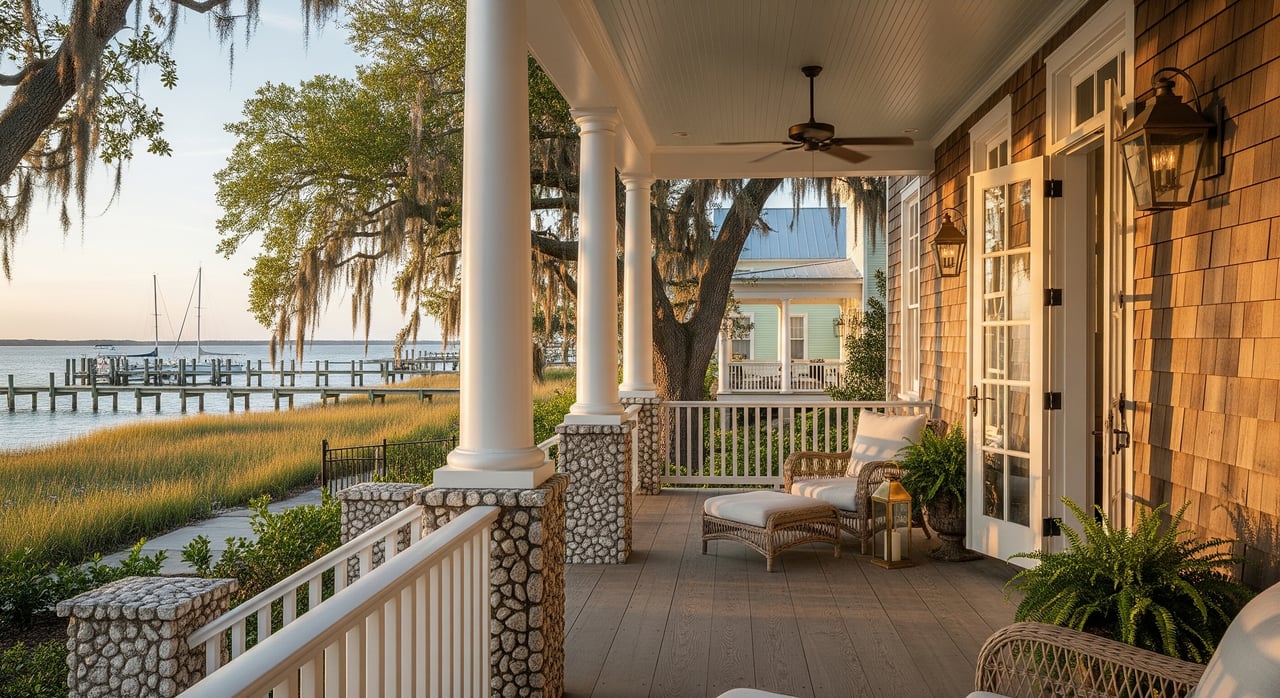
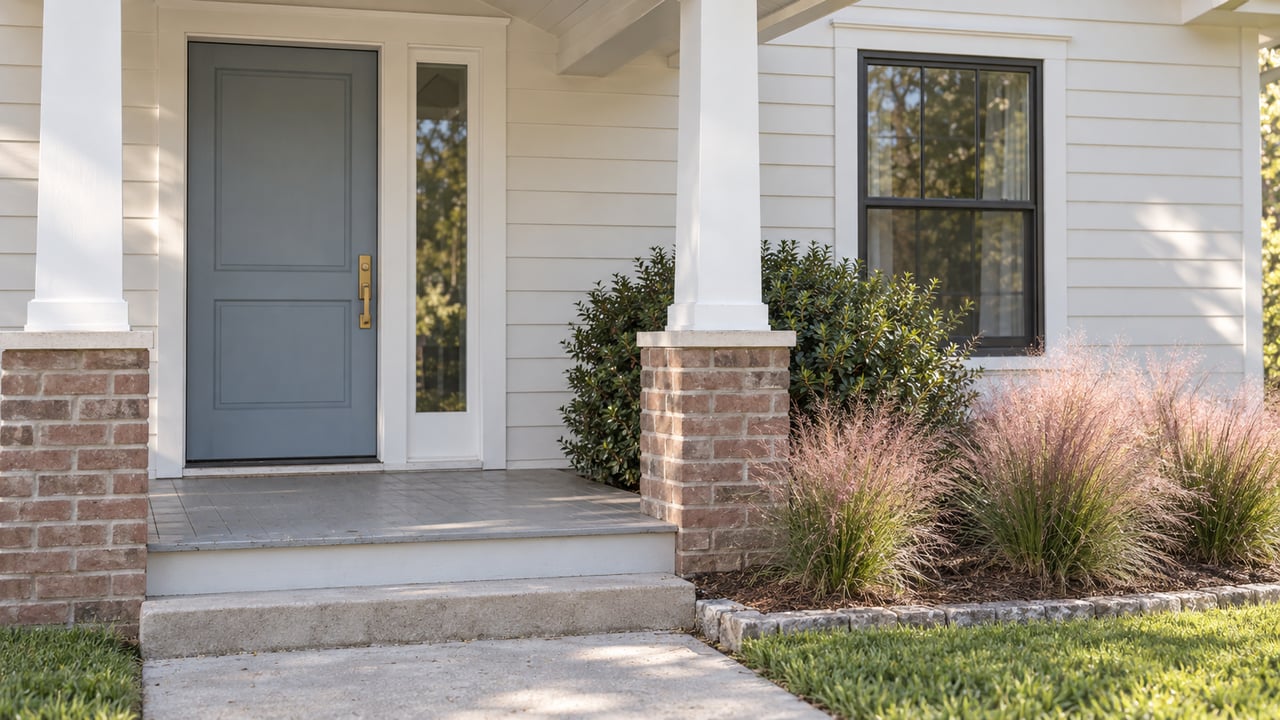
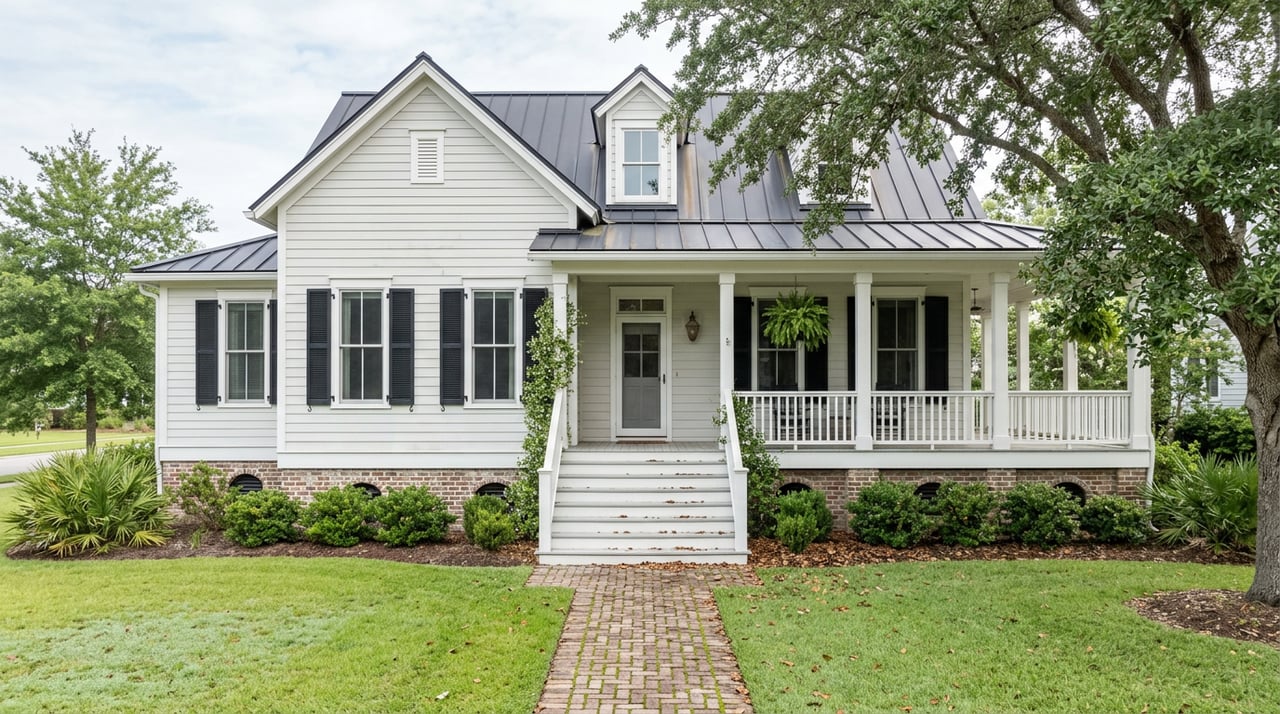
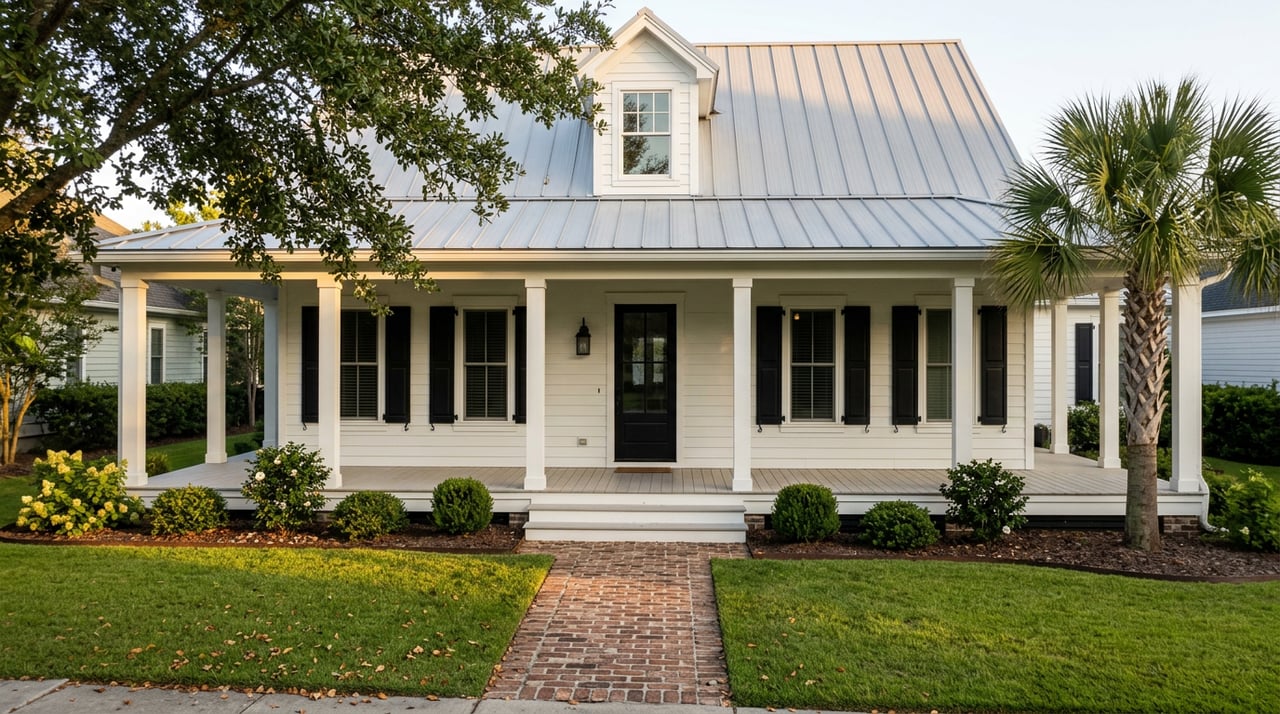
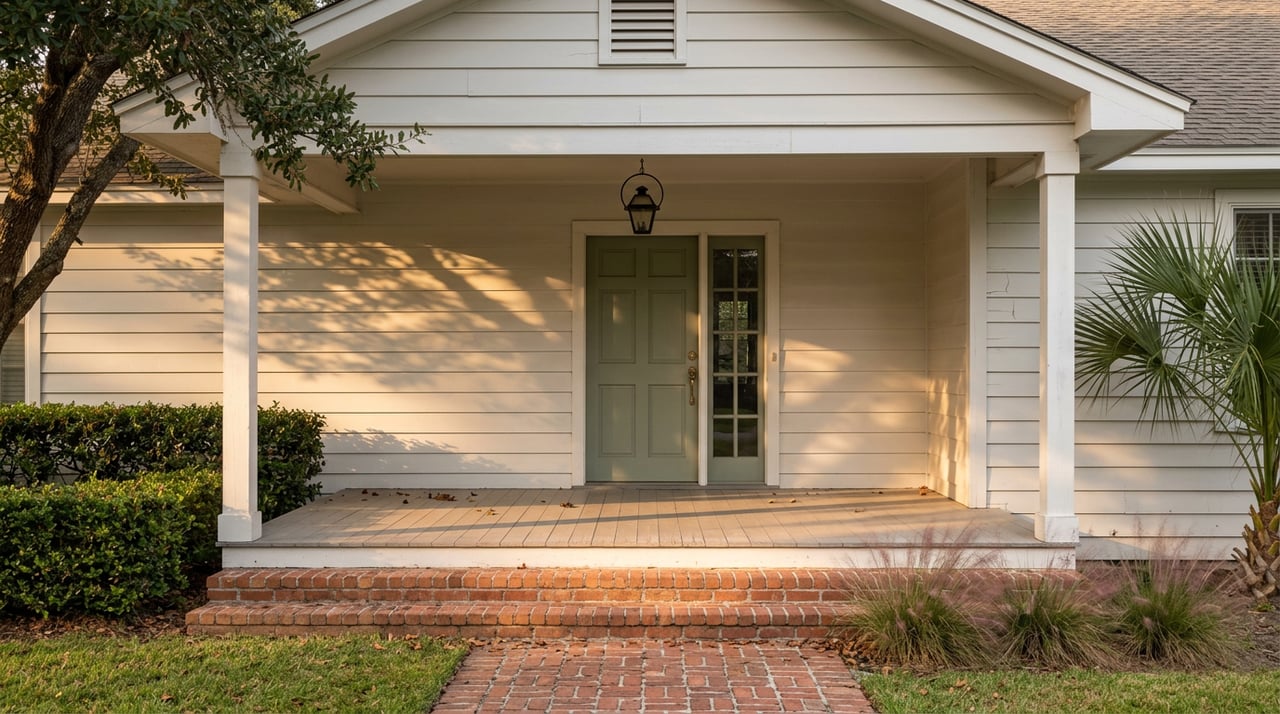
You will see small to mid-sized older homes with inviting front porches and a traditional Gulf Coast look. Many have been renovated over time to blend character with modern comforts.
Several restored Craftsman and Victorian-era homes add architectural variety in and around the historic district. These homes often keep original details and offer a classic streetscape.
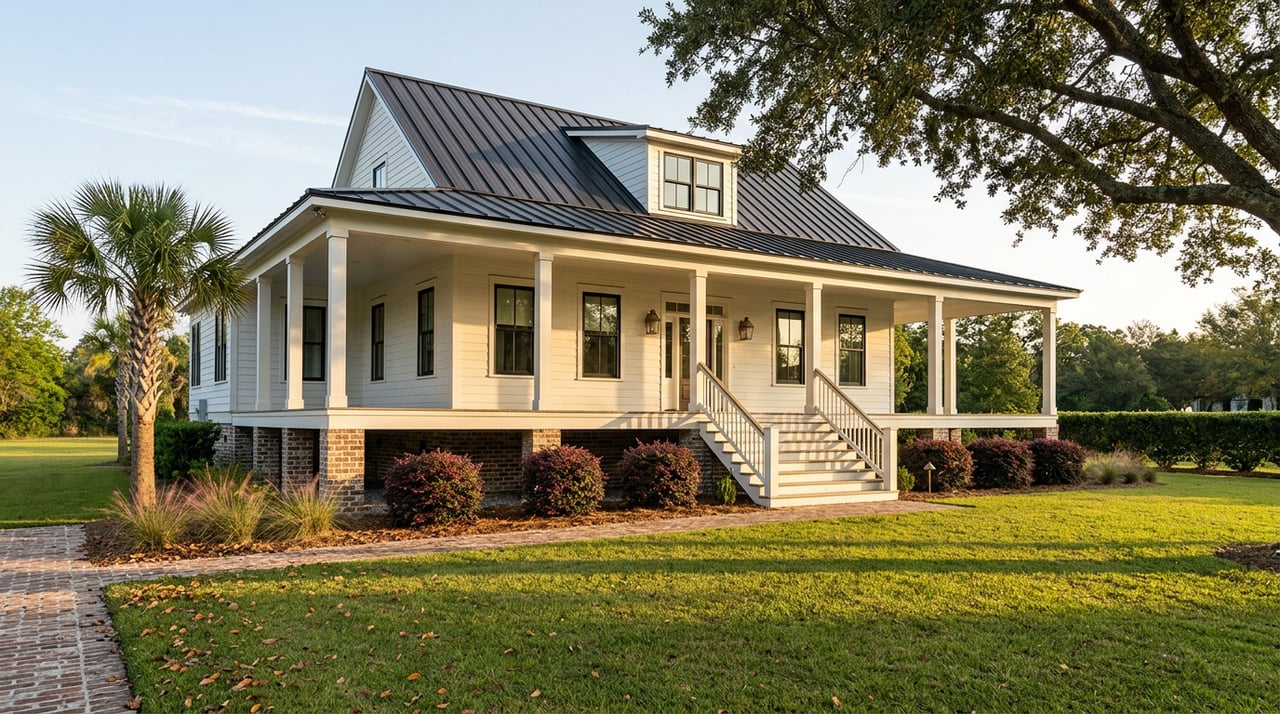
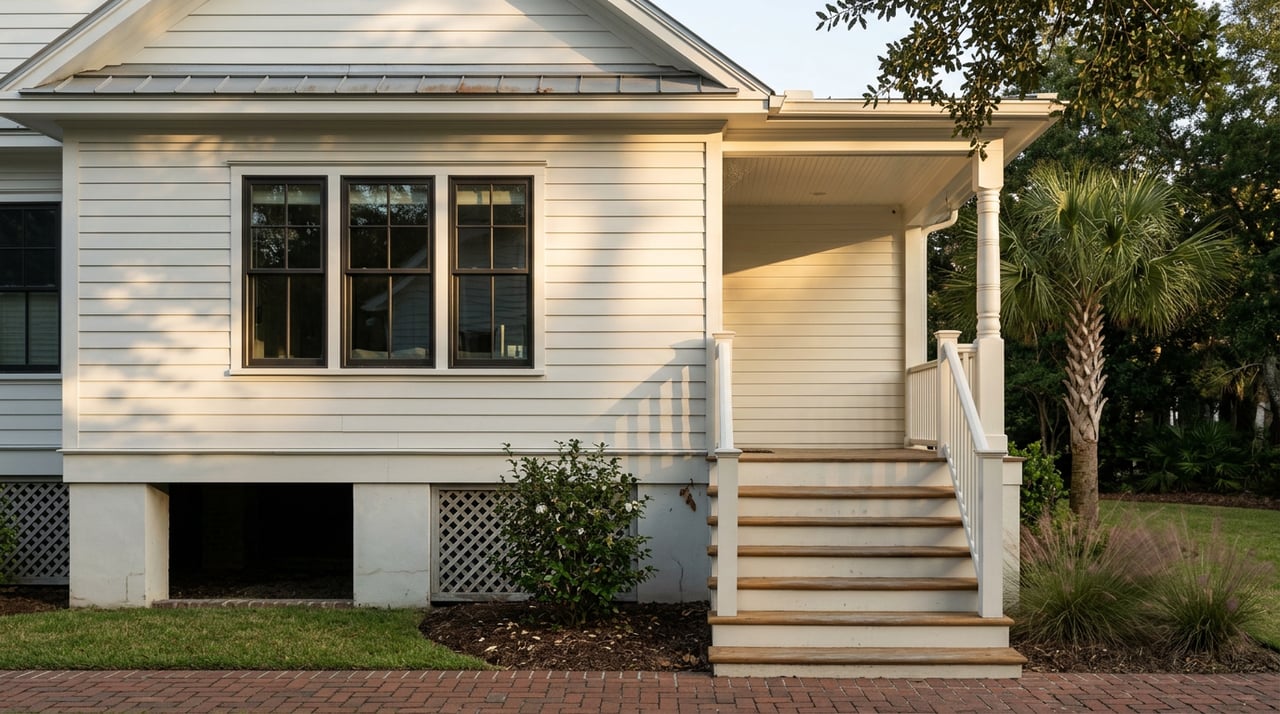
Post‑Katrina rebuilds and newer homes are often elevated to meet modern flood standards. You may see storage or parking under the main living level and multiple porches designed for breezes and views.
There are replacement homes and new builds that align with current coastal codes. Styles range from traditional to contemporary with energy-efficient systems and elevated foundations.
While single-family homes are most common, you can find condos or townhomes in certain near-water developments. These appeal to buyers looking for lower maintenance.
Bay St. Louis includes FEMA-designated flood zones, especially near the waterfront. For any parcel, check the official flood map and ask for an elevation certificate if available. Many homes require flood insurance through the National Flood Insurance Program or private carriers.
Property taxes are set by Hancock County and the city. Coastal insurance, including windstorm coverage, can be more costly than inland markets. Build a budget that includes premiums, potential deductibles, and regular maintenance.
Water, sewer, and electricity are generally available in the Old Town core. Broadband coverage is improving across the Coast, but options can vary by exact address. Confirm service levels if you work from home.
Short‑term rental rules vary by neighborhood and sometimes require permits. If you want to rent your home part‑time, confirm city rules and any HOA guidelines. Some properties fall under historic district oversight, which may shape permitted exterior changes.
Hancock County public schools serve the area. Healthcare options exist across the Gulf Coast, with certain specialty services found in larger coastal cities. Check locations and drive times that fit your routine.
Preparedness is part of coastal living. Homeowners often use hurricane shutters, keep emergency kits, and maintain evacuation plans. Newer homes typically follow stricter coastal building standards.
Start with coffee and a pastry at a neighborhood café, then browse a few galleries before heading to the beach for a short walk. In the afternoon, take a quick drive to run larger errands, and in the evening, relax on your porch before strolling to dinner. Weekends feel lively with events, while weekdays offer a slower, coastal pace.
If you prefer a move‑in ready home, look for properties with durable coastal materials, elevated systems, and energy-efficient upgrades. If you love older homes, a pre‑inspection and a renovation plan can help you prioritize what to tackle first. A design-informed approach can make your purchase smoother and help you protect long‑term value.
Ready to explore homes near Old Town Bay St. Louis? Reach out to Glenn-Marie Fitzgerald for a personalized tour, neighborhood comparisons, and design‑smart guidance tailored to your goals.
Stay up to date on the latest real estate trends.
Get assistance in determining current property value, crafting a competitive offer, writing and negotiating a contract, and much more. Let me guide you through your home-buying journey.
GLENN-MARIE FITZGERALD
2137 E PASS RD GULFPORT MS 39507