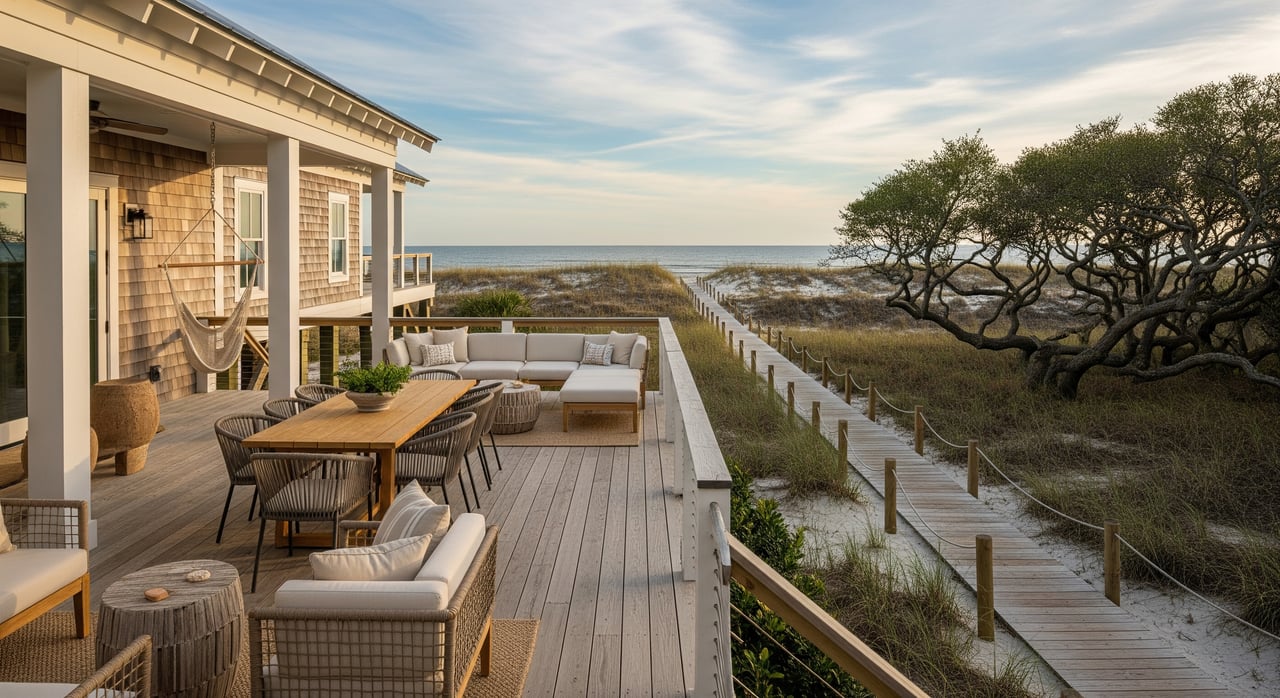
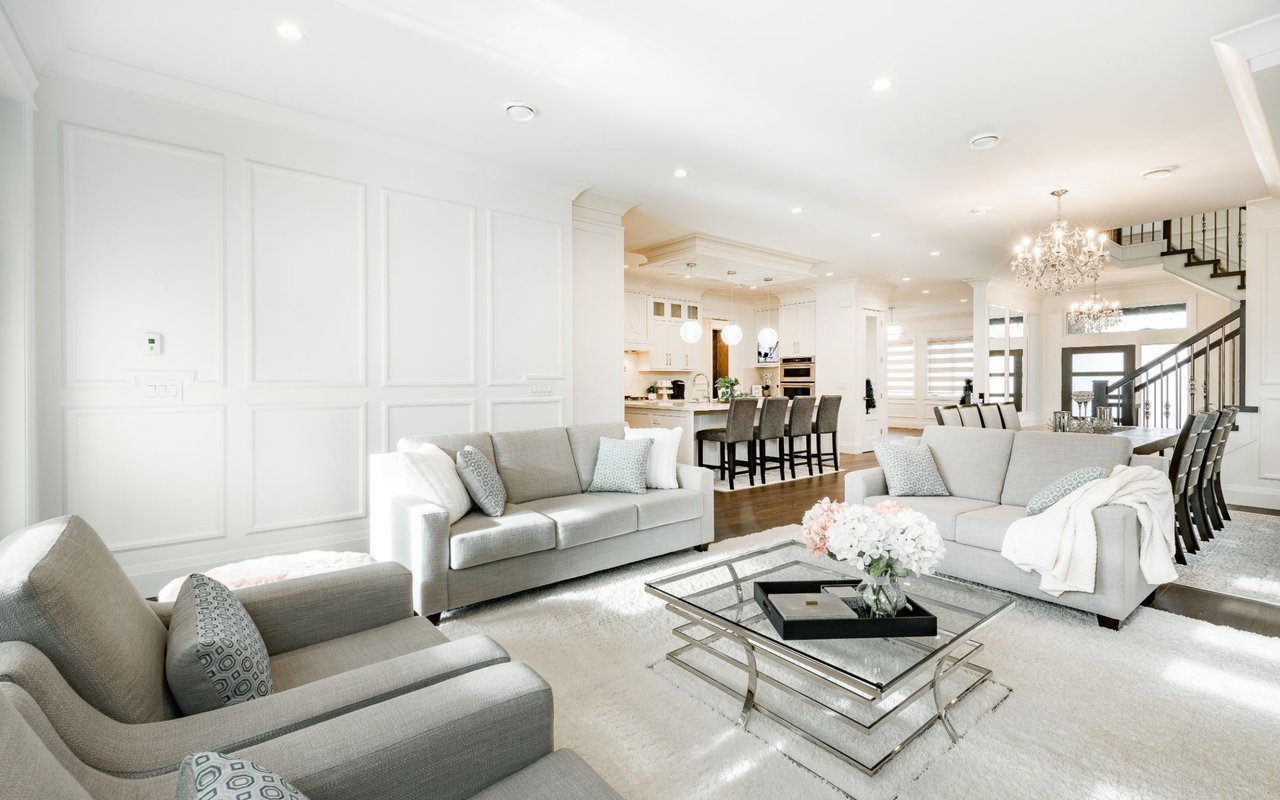
Dreaming of a weekend place where you can stroll to galleries, dinner, and the marina, then wake up to Gulf breezes? If Bay St. Louis is on your radar, you’re not alone. The city blends small‑town charm with real coastal convenience, which makes it a favorite for second‑home and vacation‑house buyers. In this guide, you’ll learn where to look, how to budget, what to check for insurance and flood maps, and how short‑term rentals work. Let’s dive in.
Why Bay St. Louis works for second homes
Bay St. Louis sits on Mississippi’s Gulf Coast, known for its walkable Old Town, arts scene, and a central municipal harbor that keeps you close to the water. The harbor near downtown is a daily draw for boaters and anyone who loves being by the docks and restaurants. You can explore harbor features and slip options through the city’s page on the Bay St. Louis municipal harbor.
Access is easy. Gulfport–Biloxi International Airport is an estimated 25 to 35 minutes by car, and Louis Armstrong New Orleans International is about 1 to 1.5 hours, depending on traffic. These drive times make weekend ownership realistic for New Orleans area residents and frequent flyers. See general drive‑time context from Travelmath’s Bay St. Louis to Gulfport route.
Popular property types and areas
Second‑home buyers often focus on character, walkability, and water access. Prices and availability shift by season, so always pull current neighborhood comps when you get serious about an address.
Old Town and Beach Boulevard
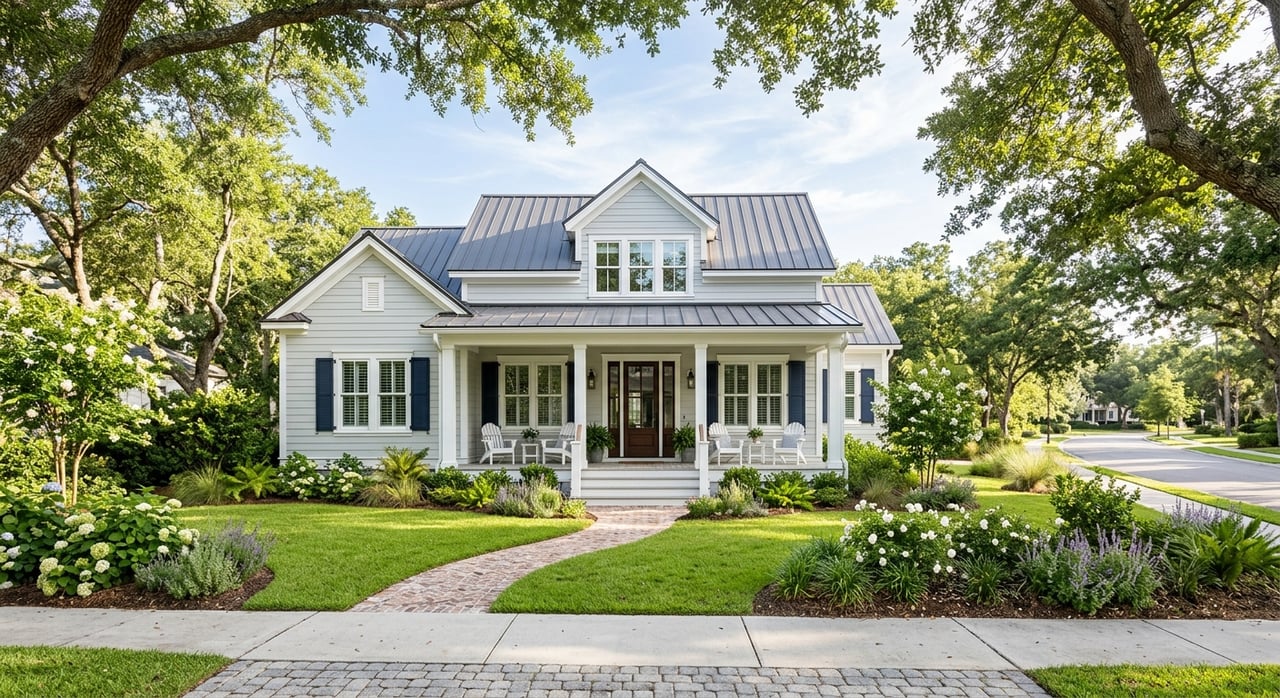
You’ll see a mix of historic cottages and updated bungalows near shops, galleries, and the harbor. Many homes in this zone may have elevation or design considerations due to coastal rules and historic context. For general background on local elevation and design guidance, review the city’s published Elevation Design Guidelines.
Shoreline Park and harbor‑adjacent streets
Closer to the water’s edge, you’ll find renovated cottages and newer elevated homes. Proximity to the harbor boosts lifestyle value and, for some buyers, rental appeal. If a boat slip is part of your plan, check availability and waitlists before you buy.
Waterfront parcels along the bay
Direct bayfront homes and lots trade at a higher tier due to views and dock potential. If you plan to add a pier or dock, confirm shoreline and permitting rules early in your due diligence. Elevation and wind‑resistant construction are common considerations here.
Diamondhead and planned communities nearby
Some buyers prefer the convenience of planned communities with amenities and lower‑maintenance options while staying within an easy drive of Bay St. Louis. This can be a smart fit if you want a turnkey setup and predictable holding costs.
Boating, beaches, and outdoor access
The city’s harbor is the hub for boating and waterfront walks. Explore facilities, services, and slip info through the Bay St. Louis municipal harbor. Private boating and social options also exist in the area. The Bay‑Waveland Yacht Club listing offers a quick snapshot, but always confirm membership rules, slip sizes, and availability.
For sand and shoreline time, Buccaneer State Park and the Bay‑Waveland beach trail deliver easy access to fishing, walking, and biking. Get a feel for the park’s coastal setting through this overview of Buccaneer State Park.
Insurance, flood, and building rules to check first
Coastal ownership brings unique risk and cost factors. A little homework upfront can save you surprises later.
- Flood maps and lender rules. Use FEMA’s tools to see if a property sits in a Special Flood Hazard Area and to review site‑specific maps. Start with the FEMA Flood Map Service Center and the FEMA flood maps overview. If needed, ask about Elevation Certificates or Letters of Map Change.
- Wind and storm coverage. In coastal counties, wind and hail coverage may be written through the Mississippi Windstorm Underwriting Association (MWUA). Expect separate wind policies and hurricane deductibles. Review the MWUA program and filings on the MWUA site.
- Mitigation discounts. Fortified roofs and other resilience upgrades can lower wind premiums. The Mississippi Insurance Department details available credits and documentation on its mitigation discounts page.
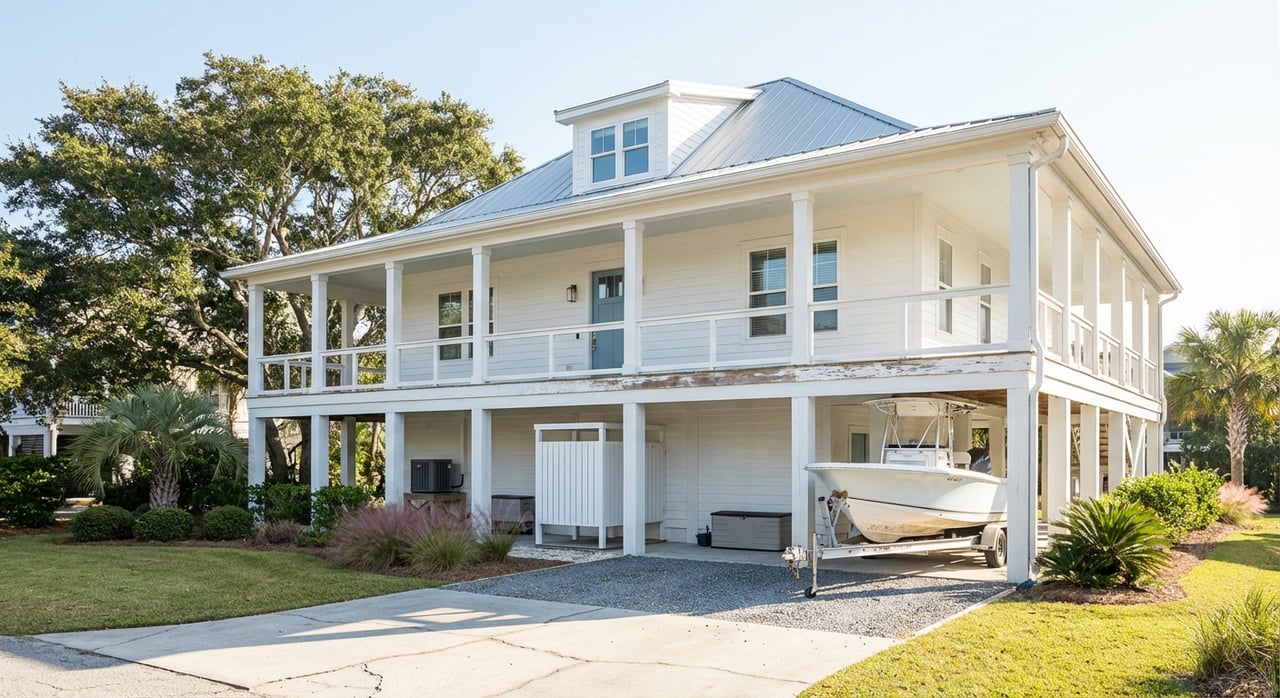
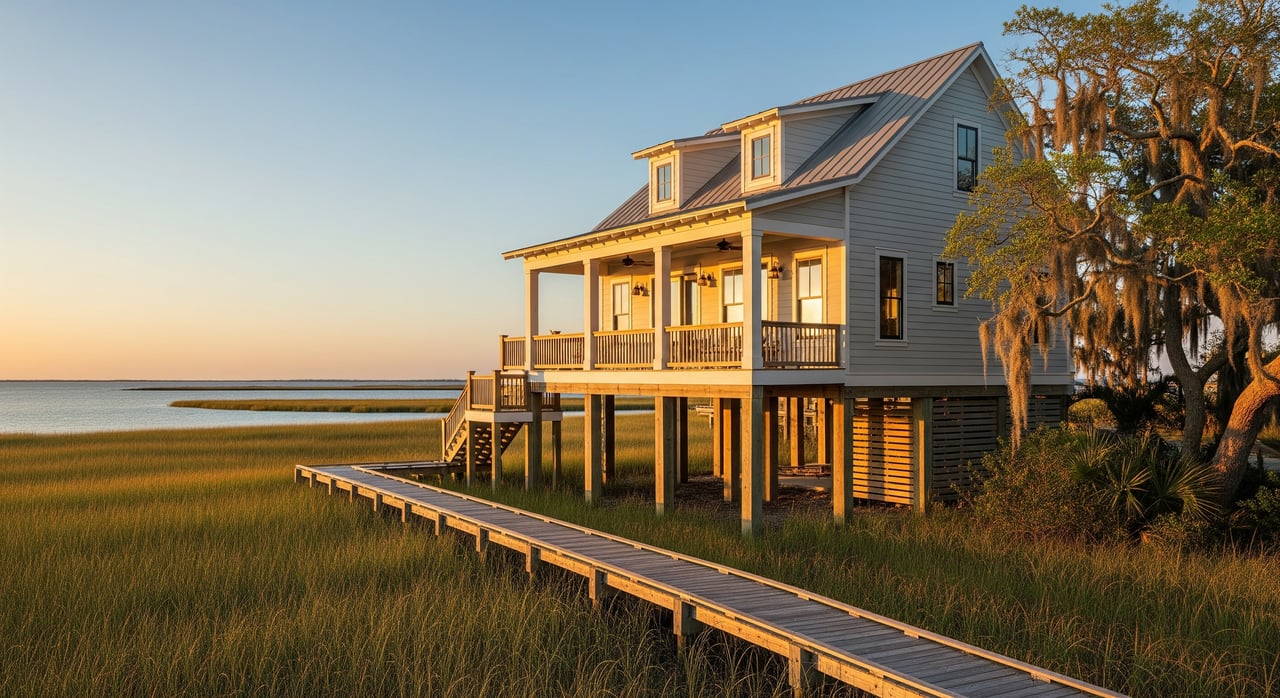
- Elevation and construction standards. After major storms, elevation and building standards tightened across the Coast. Many coastal homes use elevated foundations that influence build cost, insurance, and livability. For context, review the city’s Elevation Design Guidelines.
Financing your second home
Lending rules for vacation houses differ from primary residences. Conventional second‑home loans often start around 10 percent down for qualifying properties, while investment loans usually require more and may need additional reserves. Get an early read on how a property will be classified and what down payment your scenario requires. For a clear primer, see this overview of second‑home down payments.
Coastal and resort markets can trigger stricter underwriting, so speak with lenders who are familiar with Hancock County. Pre‑qualification and a clean document package help you move fast when the right home hits the market.
What it really costs to hold a coastal second home
Owning on the Coast includes a few line items you should price in from day one. Budgeting early makes the experience smoother.
- Property taxes. The City of Bay St. Louis publishes local millage rates. Mississippi assesses owner‑occupied residential property at 10 percent of market value for ad valorem taxes. For example: a $400,000 market value becomes a $40,000 assessed value. Using the city’s snapshot of mills (City 26.75, County 46.46, School 43.13, total 116.34), the estimate is about $4,654 per year before any special districts. Always confirm current rates with the assessor. See the city’s tax and millage page.
- Insurance and deductibles. Coastal policies often split homeowners and wind/hail coverage, and hurricane deductibles can be significant. Ask for both private market and MWUA options to compare. Learn more about coastal wind coverage through the MWUA program.
- Utilities. Confirm whether a property connects to municipal sewer or uses a septic system. Service areas and fee schedules vary across the city and county. Start with Hancock County Water & Sewer.
- HOA and marina fees. Waterfront communities and slips may carry additional dues. Add maintenance for docks, bulkheads, and boat storage if those apply.
- Coastal maintenance. Salt air speeds up wear on metals, paint, and fabrics. Elevated structures also bring extra inspection and upkeep. Plan an annual reserve for resilience upgrades and routine repairs.
Renting your Bay St. Louis home part‑time
Short‑term rentals are allowed in Bay St. Louis with city registration and compliance. The city’s ordinance spells out what you must do before you list.
- Register before advertising. You must register each STR unit with the city and renew annually. The fee is $100 per unit per year. Your unique registration number must appear in all advertisements. Review the city’s short‑term rental ordinance and forms.
- Local contact and response. You must name a 24/7 local contact who can respond in person within 30 minutes to complaints, and you need a parking plan and a posted tenant information packet.
- Occupancy limits. The standard cap is 2 persons per sleeping room plus 4 additional persons, with special rules for very large homes. The city sets the permitted capacity during registration.
- Other rules. The registration is not transferable, and properties with delinquent city fees cannot register. Read the ordinance closely to avoid citations.
- Taxes on STR revenue. Mississippi applies state sales tax to lodging and local taxes may also apply. Some booking platforms collect and remit certain taxes, but it is your responsibility to confirm what is collected and to register when needed. Visit the city’s tax and millage page as a starting point.
Many absentee owners hire a local manager to meet the response requirement and handle turnovers. If you plan to rent, build these expenses into your pro forma before you buy.
Due‑diligence checklist for out‑of‑area buyers
Use this quick list to stay organized as you evaluate properties.
- Pull FEMA FIRMs for the parcel and check the National Flood Hazard Layer. If needed, request an Elevation Certificate or Letter of Map Change. Start at the FEMA Flood Map Service Center.
- Ask the listing side for recent insurance quotes and whether the property is on MWUA or a private carrier. Compare premiums, hurricane deductibles, and mitigation credits. Review the MWUA program.
- Confirm whether elevation standards or historic‑district rules affect repairs or improvements. See the city’s Elevation Design Guidelines.
- Verify water and sewer service, and get fee schedules. Start with Hancock County Water & Sewer.
- If you plan STR use, confirm eligibility, gather required documents, and note the $100 annual registration and renewal steps in the city’s STR ordinance.
- Pre‑qualify with a lender that understands coastal second homes. Typical conventional second‑home down payments often start near 10 percent, but overlays can be stricter. Read this second‑home down payment guide.
- Build a line‑item budget: taxes using local mills and the 10 percent assessment ratio, homeowners and wind/hail insurance, utilities, HOA or slip fees, and a coastal maintenance reserve. See the city’s millage page.
Work with a local advisor who knows coastal homes
Buying a second home here is equal parts lifestyle and logistics. You want a guide who understands neighborhoods, elevation and insurance questions, and the small details that shape value in a coastal town. If you are weighing Old Town charm against direct waterfront, or personal use against part‑time renting, a focused plan will help you buy with confidence.
If you’re ready to explore second homes and vacation houses in Bay St. Louis, reach out to Glenn‑Marie Fitzgerald for tailored, coast‑wide buyer representation and neighborhood‑level insight.
FAQs
Do I need flood insurance for a Bay St. Louis second home?
- If your property is in a Special Flood Hazard Area and you have a mortgage, lenders typically require a flood policy; check your exact parcel on the FEMA Flood Map Service Center.
Can I rent my Bay St. Louis home short‑term when I’m away?
- Yes, but you must register with the city, include the registration number in all listings, follow occupancy and parking rules, and comply with tax collection; see the city’s STR ordinance.
What down payment should I expect for a vacation home loan?
- Conventional second‑home financing often starts near 10 percent down, while investment loans usually require more and may need reserves; review this second‑home down payment overview.
How are property taxes estimated in Bay St. Louis?
- Mississippi assesses owner‑occupied homes at 10 percent of market value, then applies local millage; see the city’s tax and millage page to estimate before special districts.
Are wind and hurricane policies separate on the Mississippi Coast?
- Often yes; many owners carry a homeowners policy plus separate wind/hail coverage, sometimes through MWUA, with hurricane deductibles; learn more at the MWUA program page.
How far is Bay St. Louis from the nearest airports?
- Gulfport–Biloxi International is about 25 to 35 minutes by car, and New Orleans’ MSY is roughly 1 to 1.5 hours depending on traffic; see Travelmath’s drive‑time context.