Thinking about turning a Waveland beach house into a short-term rental? You want strong bookings and great guest reviews, but you also need to stay compliant and protect your investment in a coastal market. This guide walks you through local rules to verify, coastal safety and insurance essentials, a simple framework to project revenue, and practical checklists to move from idea to launch with confidence. Let’s dive in.
Confirm local rules first
Before you run numbers or furnish a space, make sure a property can legally operate as a short-term rental. Local and state requirements vary, and they change. A quick round of verification up front saves time and reduces risk.
Who to contact
- City of Waveland: Planning, Building, Code Enforcement, and the City Clerk for zoning, permits, inspections, occupancy, and parking limits.
- Hancock County: permitting, health department for septic systems, and tax offices for any county requirements.
- State of Mississippi: register for lodging and sales tax with the Mississippi Department of Revenue.
- HOA/Condo: review CC&Rs and building rules. Some associations restrict or prohibit short-term rentals.
What to verify
- STR classification and terminology used by the city, which can drive the paperwork you need.
- Business license or STR registration requirements and any annual fees.
- Zoning compatibility and whether a conditional use permit is required.
- Occupancy and parking limits, plus quiet hours and noise limits.
- Life-safety items: smoke and carbon monoxide detectors, fire extinguishers, and egress.
- Inspection requirements and any certificate of compliance.
- Trash and collection rules as well as on-site signage restrictions.
- Penalties for noncompliance, including fines or revocation.
How to find the rules
- Search the City of Waveland’s website and municipal code, then call Planning or the City Clerk to confirm current requirements.
- Check with Hancock County for county-level rules and the health department if the home uses a septic system.
- Get HOA or condo policies in writing. Association rules can override city allowances.
Coastal safety and insurance basics
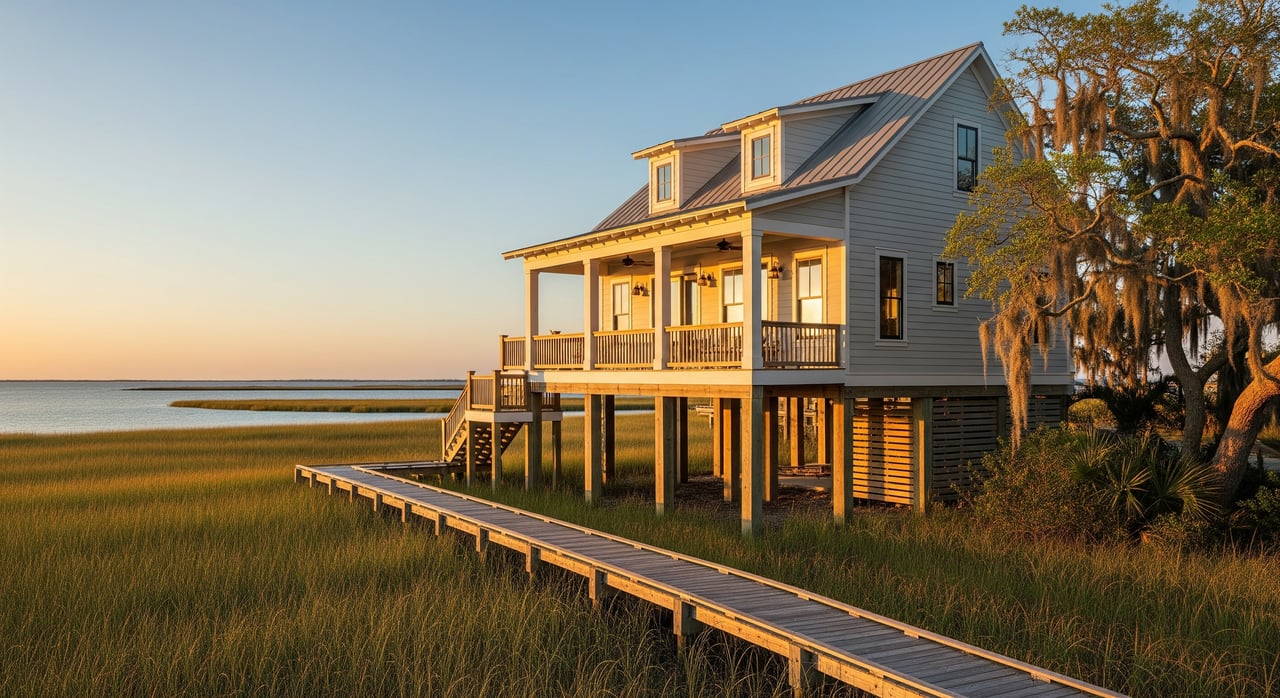
Waveland sits on the Mississippi Gulf Coast, so flood and wind risk are part of ownership. Budget and plan for these early so your underwriting reflects real costs.
Flood zones and insurance
- Pull your property’s flood zone using the FEMA Flood Map Service Center to see if it sits in a Special Flood Hazard Area.
- Review NFIP guidance to understand elevation certificates, coverage options, and how elevation affects premiums.
- Many lenders require NFIP policies in AE or V zones. An elevation certificate can help lower premiums and support permitting.
Useful links:
- Check your FEMA flood zone on the FEMA Flood Map Service Center.
- Understand NFIP flood insurance at FloodSmart.
Wind and building resiliency
- Expect wind and hurricane deductibles in coastal policies. Get quotes early because premiums can impact cash flow.
- Ask the City Building Department about coastal construction standards that may apply to renovations or permits.
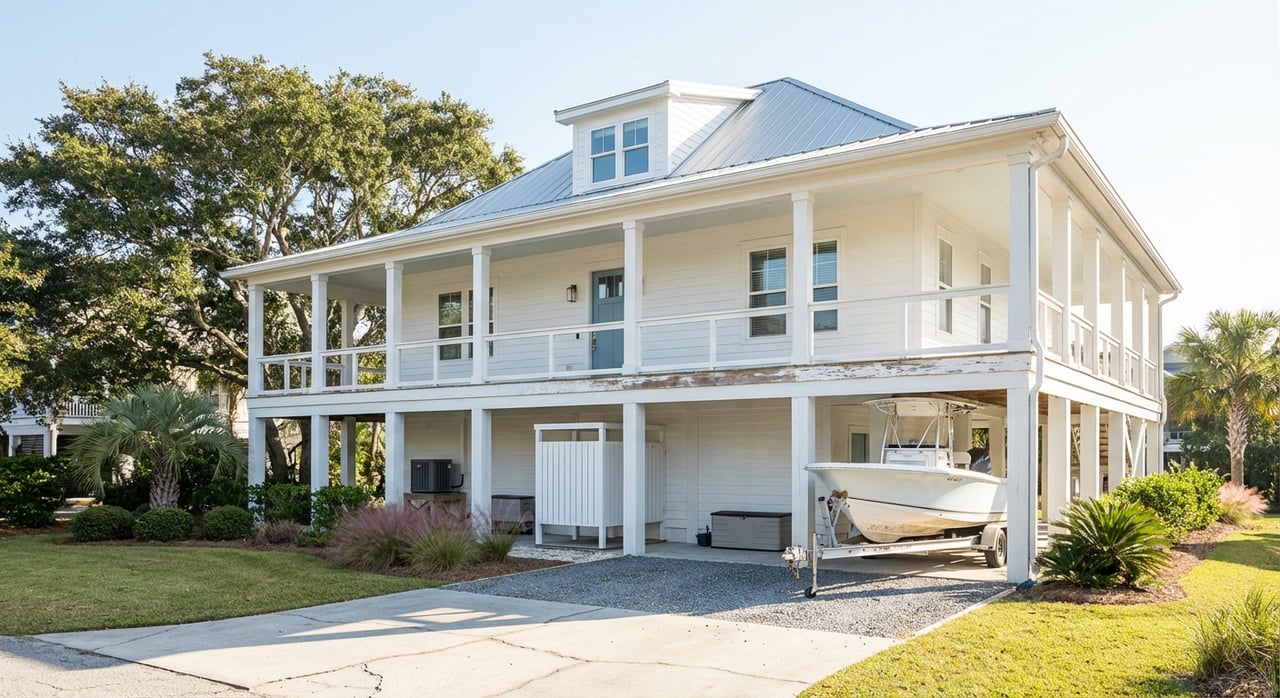
- Common upgrades for older homes include reinforced shutters, elevated utilities, and windborne debris protection.
- Monitor storm season and build downtime assumptions into your financial model. You can track storm updates through the National Hurricane Center.
Guest safety basics
- Install and test smoke and carbon monoxide detectors, place fire extinguishers on each level, and post emergency contacts and evacuation routes.
- Clarify maximum occupancy and parking in your house rules.
- Provide a local contact for emergencies. In coastal areas, a nearby manager or designated agent is best practice.
Sewer, utilities, and environment
- Confirm whether the home is on sewer or septic. High turnover can strain septic systems and trigger health code issues.
- Share trash and recycling schedules in your guest manual and spell out bulk pickup rules to prevent fines.
- If you plan exterior changes, check for coastal setbacks or dune protections that limit structures and access.
Price and revenue with real comps
Accurate projections start with the right comparables and seasonality. Waveland demand tends to peak in spring and summer, with additional spikes around coastal events.
Choose the right comps
- Stay close: prioritize comps within 0 to 3 miles and with similar beach access or views.
- Match unit type and size: bedroom and bathroom count, single-family vs condo, and overall condition.
- Align amenities that move price: pool, fenced yard, parking, pet-friendly, washer and dryer, covered porch, beach access, and A/C.
- Compare minimum nights, fees, and cleaning charges, since these affect gross and net revenue.
- Use market analytics from AirDNA to see average daily rates, occupancy, and seasonality. Validate by scanning active Airbnb and Vrbo listings for pricing and booking density.
Helpful tools:
- Use AirDNA MarketMinder for ADR and occupancy trends.
- Scan active Airbnb listings for on-the-ground pricing.
- Scan active Vrbo listings for additional comps.
Simple revenue formula
- Gather 3 to 10 comparable listings for the same timeframe.
- Pull ADR and occupancy percentage from analytics and active calendars.
- Calculate gross revenue: ADR × Occupancy Rate × 365.
- Estimate annual expenses: platform fees, cleanings, property management if applicable, maintenance, utilities, landscaping, HOA dues, insurance, property taxes, capital reserves, and lodging taxes.
- Compute Net Operating Income: Gross revenue minus operating expenses.
- If financing, subtract debt service to see pre-tax cash flow.
Model coastal variables
- Seasonality: build monthly ADR and occupancy, not a flat average.
- Storm downtime: include refundable cancellations and gaps during hurricane threats.
- Insurance volatility: plug in current quotes for homeowners or landlord coverage plus wind and flood.
- Turnover: plan for higher cleaning frequency and beach-related wear and tear.
Due diligence checklists
Use these step-by-step lists to stay organized from first showing to launch.
Pre-offer checklist
- Confirm city STR rules, permits, and any inspections with Planning, Building, and Code Enforcement.
- Get HOA or condo rules in writing for short-term usage and any signage or parking limits.
- Verify sewer vs septic and any health department requirements.
- Pull FEMA flood maps and request an elevation certificate if available.
- Obtain insurance quotes for homeowners or landlord coverage, wind or hurricane, and NFIP flood as needed.
- Build a revenue model using AirDNA ADR and occupancy, plus comps from Airbnb and Vrbo.
- Inspect for life-safety compliance and estimate upgrade costs.
- Verify on-site parking and neighborhood parking rules.
- Confirm trash and collection rules.
Pre-closing setup
- Budget for code-related upgrades: detectors, exterior lighting, hurricane shutters, elevated utilities if required.
- Line up a local emergency contact or property manager.
- Set up state lodging and sales tax registration with the Mississippi Department of Revenue and any required local licensing.
- Draft a guest manual with evacuation routes, emergency contacts, parking, trash days, and quiet hours.
Operating playbook
- Pricing: implement dynamic pricing for peak season, shoulder months, and event weekends.
- House rules: occupancy cap, noise and quiet hours, parking instructions, pet policy, and trash guidance.
- Emergency plan: evacuation map, shelter info, and a simple storm prep checklist.
- Maintenance: schedule HVAC, pest control, pool service if any, and post-storm roof checks.
- Financial tracking: bookings, fees, taxes collected and remitted, repairs, and reserves.
Market context and risks
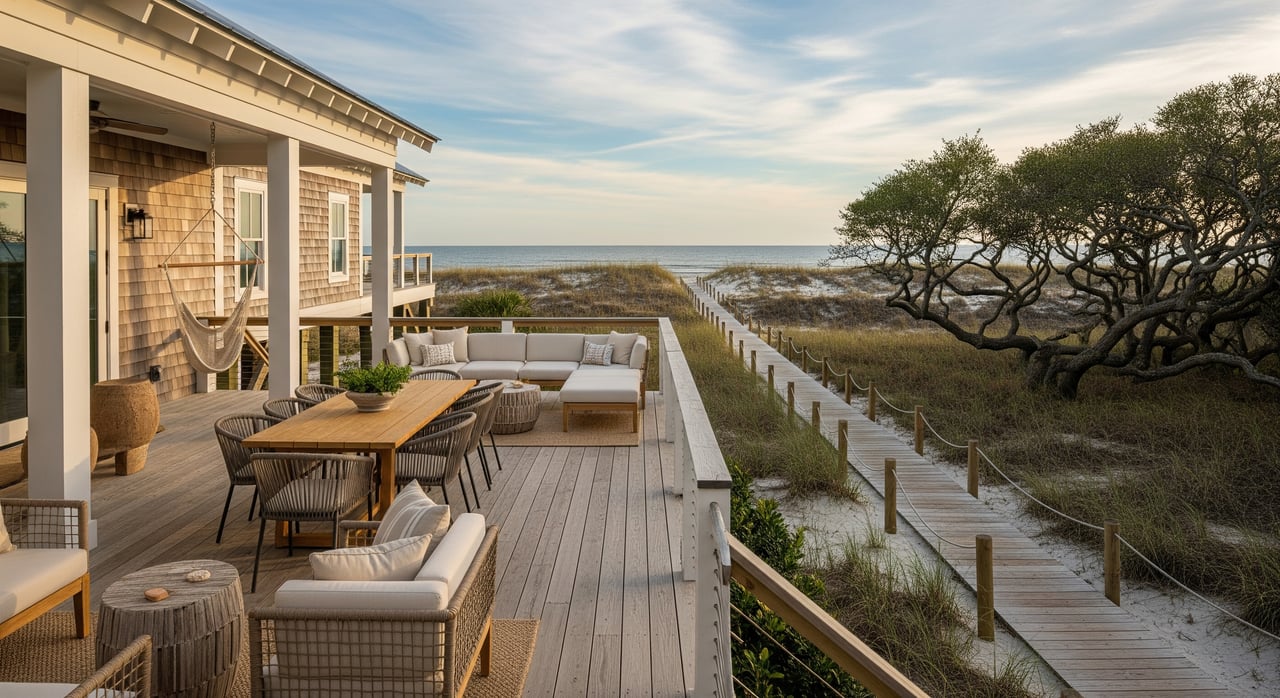
Waveland benefits from Gulf Coast beach demand and proximity to coastal dining, marinas, and regional events. That said, coastal rentals carry unique risks that you should price and insure correctly.
Demand drivers
- Beach tourism anchors seasonal demand, especially spring and summer.
- Regional attractions and festivals can boost off-peak weekends.
- For broader context, you can review local demographics through data from data.census.gov.
Risks to model
- Weather: hurricanes and major storms can cause extended downtime and repairs. Track regional conditions using the National Hurricane Center.
- Insurance: premiums for wind and flood can be high, and availability may be limited for older, non-elevated homes.
- Regulatory change: cities can update short-term rental rules, so keep a compliance buffer.
- HOA restrictions: association rules can ban or constrain STRs even when the city allows them.
- Seasonality concentration: a heavy share of revenue may fall in a few months, increasing exposure to cancellations.
Ready to evaluate a Waveland property?
Want a property-level feasibility review for a Waveland home? I can help assess zoning steps, estimated short‑term revenue using local comps, and likely permitting and insurance considerations so you can decide with confidence.
What we can cover in a 30-minute consult:
- Quick zoning and registration check
- ADR, occupancy, and comps review
- High-level underwriting with coastal insurance and seasonality
If you’re exploring a specific address, reach out to schedule a consult with Glenn-Marie Fitzgerald.
With the right prep, your Waveland short-term rental can balance lifestyle and returns. Confirm the rules, plan for coastal safety, model seasonality and insurance accurately, and you’ll launch with confidence and a clear path to profitability.
FAQs
What permits do I need for a Waveland short-term rental?
- Start by confirming with City of Waveland Planning, Building, Code Enforcement, and the City Clerk, and set up lodging and sales tax registration with the Mississippi Department of Revenue.
How do I check if a property is in a flood zone?
- Look up the address on the FEMA Flood Map Service Center; if it’s in an AE or V zone, discuss an elevation certificate and NFIP coverage options.
What insurance should I budget for on the coast?
- Plan for homeowners or landlord coverage with a wind or hurricane deductible plus NFIP flood insurance if required, and obtain current quotes early to refine your underwriting.
How do I estimate revenue for a Waveland vacation rental?
- Use AirDNA for ADR and occupancy trends, then validate pricing and booking density by reviewing active Airbnb and Vrbo listings and calculate ADR × occupancy × 365.
Can an HOA prohibit short-term rentals even if the city allows them?
- Yes, association CC&Rs can restrict or ban STRs, so request the rules in writing from the HOA or condo management before you commit.
When is peak season for Gulf Coast rentals?
- Expect higher demand in spring and summer and plan for storm-related gaps during hurricane season; monitor conditions via the National Hurricane Center and model monthly seasonality in your pricing.