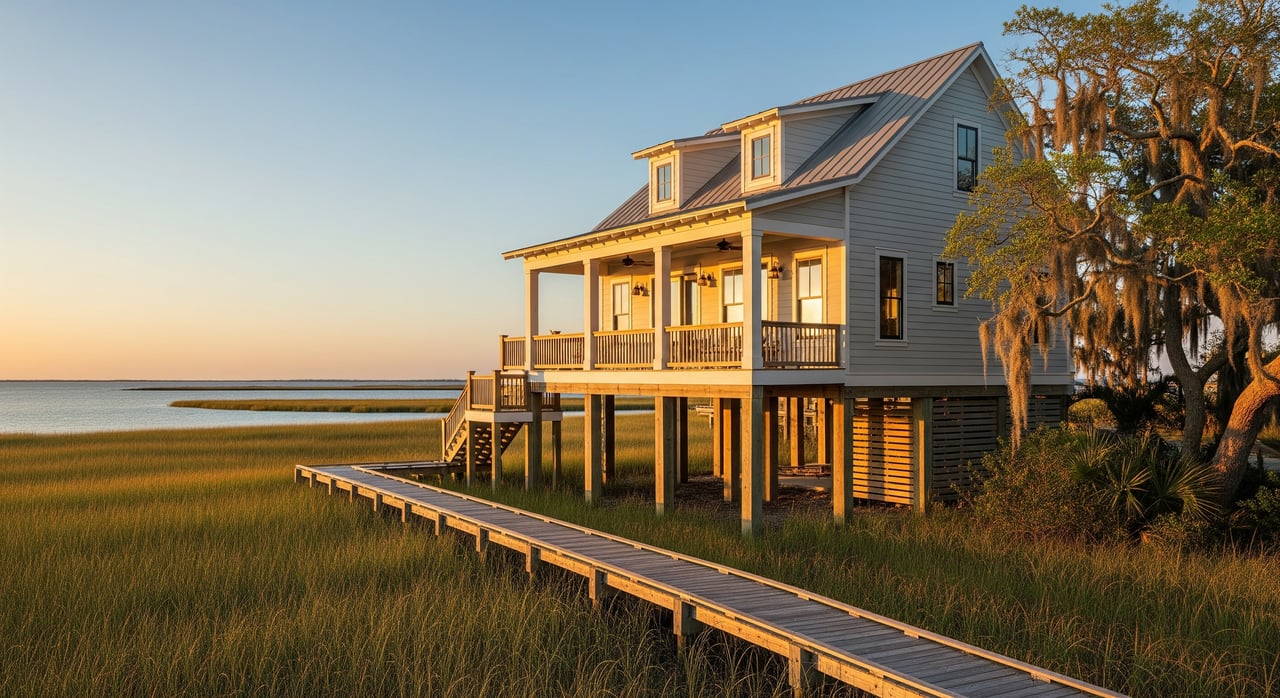
Our Approach to Pricing Coastal Homes in Bay St. Louis
January 15, 2026
January 15, 2026
Pricing a coastal home in Bay St. Louis is not the same as pricing a house a few streets inland. Even small differences in water access, elevation, or dock condition can shift value in a big way. You want a clear, transparent plan that maximizes your net and keeps days on market in check. In this guide, you will see exactly how we price coastal homes here, what we adjust for, and how we position you against active listings. Let’s dive in.
You deserve more than a rough estimate. Our process blends strict micro-comparable analysis with practical adjustments for coastal features, insurance, and presentation.
We build your comp set from the most relevant pockets, not just the ZIP code.
These adjustments are the heart of coastal pricing:
Coastal buyers are weighing lifestyle and long-term costs. Here is how we account for that.
Direct, private access to the bay or harbor with a clear, wide-water view typically commands a premium. Shared or deeded access is valuable, but priced differently. Partial or narrow-channel views fall into a separate tier. We use only micro-comps with matching view orientation and access type to keep pricing accurate.
Seawalls, pilings, and docks are major value drivers. A solid, serviceable structure increases buyer confidence and can support firmer pricing. Significant repair needs are negative adjustments and common negotiation points. We encourage a recent inspection or contractor estimate so buyers can evaluate condition with clarity.
Flood risk and insurance costs shape buyer demand and net proceeds. Homes elevated above BFE or located in lower-risk zones tend to fare better on both price and time to contract. If your elevation status is unclear, an elevation certificate can reduce uncertainty and support pricing. We verify flood zones through the FEMA Flood Map Service Center and align pricing with the risk profile.
Wind, hurricane, and flood insurance affect what buyers can afford and how they evaluate ongoing costs. We encourage transparent estimates and documentation. For context on flood coverage options, we reference the National Flood Insurance Program through FEMA. You can learn more about flood insurance on the FEMA flood insurance resource page. For state-level insurance information and consumer resources, we also monitor the Mississippi Department of Insurance.
Buyers value low-maintenance, usable outdoor spaces. Covered porches, composite decking, corrosion-resistant hardware, impact windows, and raised utilities often carry more weight than purely cosmetic upgrades. We highlight these in pricing and marketing because they can lower maintenance and support stronger offers.
Getting top dollar is about where you sit relative to active, pending, and recently closed listings in your pocket.
We study three groups: active competitors, pending sales that reveal current acceptance levels, and recent closings that show real outcomes. Pending and closed micro-comps carry more weight than list prices that have not performed.
Most buyers filter by round-number ranges. We position your price to sit just below common filter boundaries when it makes sense. This can increase exposure and boost first-week traffic without discounting your value.
We set an initial list price with a clear plan for measured adjustments if market feedback demands it. Early traffic and showing comments are data. If similar homes have been cutting price repeatedly, that is a signal to anchor to recent pendings and closings rather than chasing stale list prices.
Coastal demand often concentrates in warmer months and around vacation periods. Second-home activity can shift buyer behavior. When possible, we target windows with lower competing inventory or higher buyer presence to support stronger pricing.
Reducing buyer uncertainty helps your price stick. We package the right documents and upgrades so your listing shows its full value.
Providing this up front increases buyer confidence and can shorten negotiations.
Safety and cosmetic issues on docks or seawalls are worth addressing before you list. For larger structural items, we gather professional estimates and decide whether to complete key repairs or price accordingly. Clear documentation keeps deals on track and supports your asking price.
Presentation matters, especially on the water. We emphasize low-maintenance landscaping, tidy outdoor storage, and clean, inviting porches and under-house spaces for elevated homes. Professional photography and drone shots showcase your views, access, and outdoor living. Strong visuals help justify premium positioning and speed up the first wave of showings.
We enter negotiations with a plan that reflects common coastal due diligence and your lowest acceptable net.
Expect attention on seawalls, docks, termite and pest, HVAC corrosion, and salt-related wear. We either address items pre-list or prepare an inspection-credit strategy. This keeps you in control and reduces last-minute surprises.
Some coastal buyers purchase with cash or use lenders familiar with flood and hurricane coverage. These offers can close faster and may carry fewer contingencies. We weigh speed, certainty, and net proceeds so you can choose the best path.
Here is the streamlined flow we follow for Bay St. Louis coastal homes:
Reducing unknowns benefits both sides. Clear flood data, elevation info, and seawall details help buyers make strong, confident offers. When we list in a period with favorable inventory and strong seasonal traffic, you gain leverage and reduce time on market. For context on coastal conditions and tides during marketing, we reference NOAA tide gauges and local publications.
You are not just getting a number. You are getting a plan that respects lifestyle and long-term value.
Ready to talk through your home and market timing? Reach out for a confidential pricing review and a tailored plan. Connect with Glenn-Marie Fitzgerald to get started.
Stay up to date on the latest real estate trends.
Get assistance in determining current property value, crafting a competitive offer, writing and negotiating a contract, and much more. Let me guide you through your home-buying journey.
GLENN-MARIE FITZGERALD
2137 E PASS RD GULFPORT MS 39507